
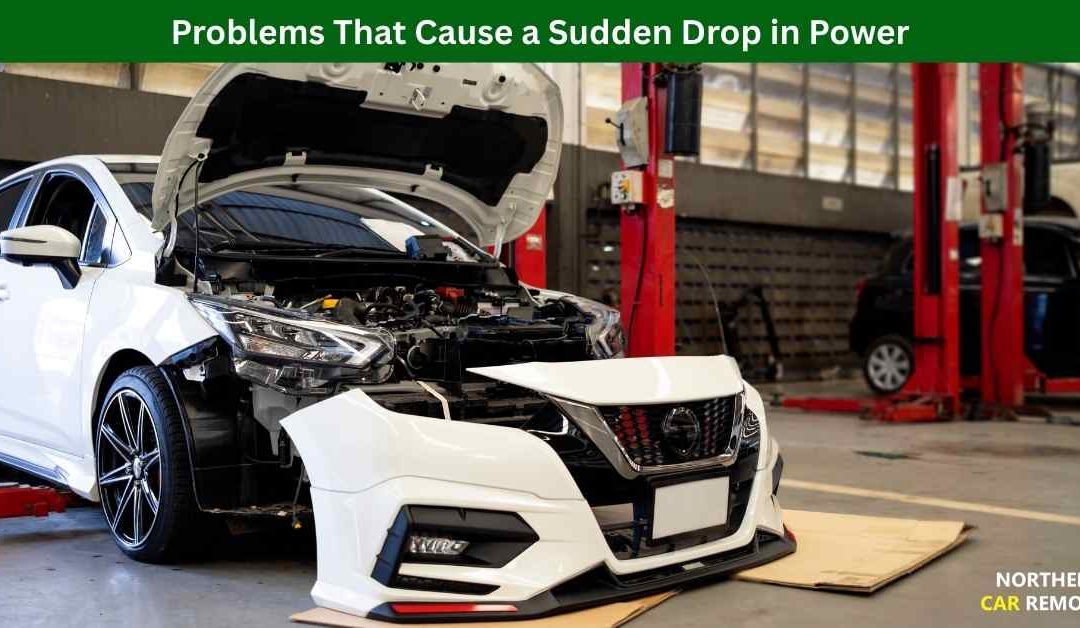
Few things are more frustrating while driving than experiencing a sudden drop in power. Your car may feel sluggish, struggle to accelerate, or fail to climb hills efficiently. This can happen at any time, whether you’re on the highway, navigating city streets, or hauling a heavy load. Understanding the common causes can help you diagnose issues early and prevent further damage.
A drop in power doesn’t always mean a catastrophic problem, but ignoring it can lead to bigger repairs and even leave you stranded. Knowing what to check can save you money, improve safety, and keep your car running smoothly.
Engine Problems
The engine is often the first place to look when your car loses power. Common engine-related issues include:
- Dirty or clogged fuel injectors: Fuel delivery becomes uneven, reducing engine efficiency.
- Worn spark plugs: Poor ignition leads to misfires and lower performance.
- Timing belt or chain issues: Incorrect timing can cause loss of power and engine strain.
- Compression problems: Worn piston rings or valves can reduce engine efficiency.
Regular servicing and inspection of these components can prevent sudden power loss and extend engine life.
Fuel System Issues
A drop in power can also be caused by problems in the fuel system. Fuel pumps, filters, and injectors all play a crucial role in delivering the right amount of fuel to the engine. Common issues include:
- Clogged fuel filter: Restricts fuel flow, leading to hesitation and power loss.
- Failing fuel pump: Reduces fuel pressure, causing poor acceleration.
- Contaminated fuel: Water or debris in the tank can block injectors and filters.
Keeping your fuel system clean and well-maintained can prevent sudden drops in power.
Air Intake and Exhaust Problems
Your engine needs proper airflow to perform optimally. Any restriction can reduce power and efficiency. Common airflow and exhaust-related issues include:
- Dirty air filter: Reduces the amount of air reaching the engine, causing sluggish performance.
- Blocked catalytic converter: Can restrict exhaust flow and decrease power.
- Leaking intake hoses: Allow unmetered air into the engine, affecting fuel mixture and performance.
Replacing filters regularly and checking for blockages can keep your car running at peak efficiency.
Transmission and Drivetrain Issues
Sometimes, a sudden drop in power isn’t the engine’s fault, it’s the transmission or drivetrain. Issues in these areas can limit how effectively power reaches the wheels. Common problems include:
- Slipping clutch: In manual cars, a worn clutch prevents power from transferring properly.
- Automatic transmission slipping: Worn gears or low fluid can reduce acceleration.
- Differential or driveshaft issues: Damage can impede power delivery to the wheels.
Addressing these problems early prevents further mechanical damage and maintains vehicle performance.
Electrical and Sensor Problems
Modern cars rely heavily on sensors and electronics to manage engine performance. A faulty sensor or electrical issue can trigger a sudden drop in power. Examples include:
- Mass airflow (MAF) sensor failure: Misreads air intake, causing poor fuel mixture.
- Oxygen sensor issues: Affects fuel-to-air ratio and engine efficiency.
- Throttle position sensor (TPS) problems: Impacts acceleration and throttle response.
- Check Engine Light indicators: Often signal underlying electronic issues affecting power.
Regular diagnostics can detect these problems before they cause a noticeable loss of performance.
Environmental and External Factors
Sometimes the cause of power loss isn’t mechanical at all. External factors can temporarily affect performance, such as:
- High altitude driving: Reduced oxygen can make engines feel sluggish.
- Heavy loads or towing: Extra weight puts more demand on the engine.
- Extreme temperatures: Both hot and cold weather can affect engine efficiency.
Being aware of these factors helps you differentiate between temporary and mechanical issues.
What to Do If You Experience a Sudden Drop in Power
If your car suddenly loses power:
- Pull over safely: Avoid driving in dangerous conditions or heavy traffic.
- Check warning lights: Look for engine or transmission alerts.
- Inspect basic systems: Ensure fuel levels, fluid levels, and visible hoses are okay.
- Call for professional help: A mechanic or car service can diagnose and repair the issue safely.
- Consider roadside assistance: If the car is non-running, a professional wrecker or towing service can remove it safely.
Addressing power loss quickly protects your engine, transmission, and overall safety.
Experiencing a sudden drop in power can be alarming, but knowing the common causes and taking prompt action makes a big difference. From engine and fuel system problems to transmission or sensor issues, identifying the root cause early prevents bigger repairs and ensures your car runs safely and efficiently.
If you are in Thomastown, and looking to sell your car, this is the best way to find us.
1/26 Acacia St, Glenroy VIC 3046
0437 773 905
Recent Comments