
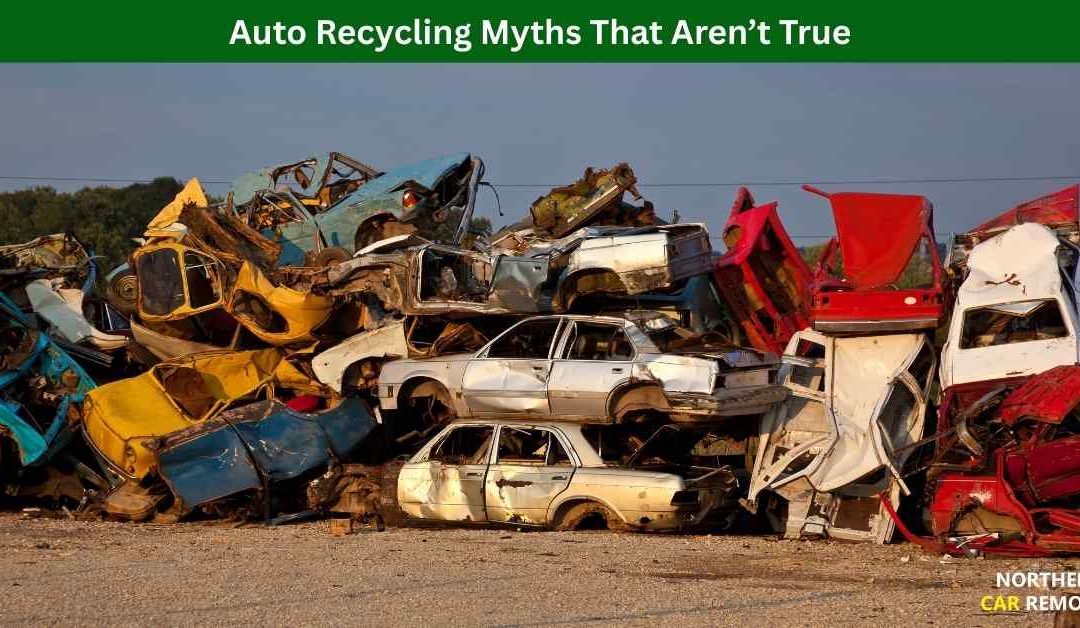
Auto recycling has become an essential part of the automotive industry in Australia. With more cars reaching the end of their life and environmental awareness growing, recycling old vehicles is not only smart—it’s responsible. Yet, despite the benefits, there are still plenty of misconceptions that discourage people from recycling their cars properly.
Let’s take a closer look at some of the most common auto recycling myths and set the record straight. Understanding the truth can save you money, reduce stress, and help the environment.
Myth 1: “My Car Is Too Old or Damaged to Be Recycled”
Many owners think that worn-out or wrecked cars aren’t worth recycling. In reality, every vehicle has value, regardless of age or condition.
Even if your car won’t start, has missing parts, or has been in an accident, recycling services can:
- Salvage reusable parts like engines, transmissions, tyres, and batteries
- Recycle metal and other materials
- Offer cash based on scrap value
So, don’t let a broken-down car sit in your driveway. It can still generate money and prevent environmental harm.
Myth 2: “Auto Recycling Is Bad for the Environment”
Some people believe that sending a car for recycling simply adds to pollution. The opposite is true. Responsible auto recycling:
- Safely disposes of hazardous fluids like oil, coolant, and brake fluid
- Reclaims metals like steel, aluminium, and copper for reuse
- Reduces landfill waste and the need to mine new resources
In fact, recycling one car can save several tonnes of metal and prevent hundreds of litres of harmful chemicals from entering the environment. Modern auto recyclers follow strict environmental regulations to minimise impact.
Myth 3: “Selling My Car for Scrap Isn’t Worth It”
It’s easy to assume that a scrap vehicle has no value. While the amount varies based on make, model, and condition, most cars are worth more than you think when recycled.
Auto recycling companies consider:
- Scrap metal value
- Usable parts like tyres, batteries, and engines
- Demand for specific components
Even if your car is old, stripped, or non-running, you can often receive instant cash. It’s a far better option than letting the car rust or paying storage fees.
Myth 4: “I Have to Handle All the Dismantling Myself”
Many owners worry that recycling a car means hours of labour dismantling it. In reality, professional car removal and recycling services handle all the hard work.
Reputable companies:
- Arrange free or low-cost towing
- Safely remove hazardous materials
- Dismantle and sort parts for resale or recycling
You don’t need tools, technical skills, or transport. It’s essentially a hassle-free way to get rid of your vehicle while getting paid for it.
Myth 5: “Recycled Parts Are Unsafe”
Some drivers hesitate to buy or trust parts from recycled vehicles, thinking they might be unreliable. This isn’t entirely true.
Most auto recyclers:
- Test and refurbish major components before resale
- Offer warranties or guarantees on parts
- Follow strict quality and safety standards
From engines and transmissions to headlights and airbags, many recycled parts perform as well as new ones—often at a fraction of the cost.
Myth 6: “Auto Recycling Is Only for Cars That Won’t Run”
Another misconception is that recycling is only for non-running vehicles. In fact, even functional cars can be recycled if you want to upgrade or sell quickly.
For example, if your car is older or you’re buying a new model, recycling it through a car removal service is often faster, safer, and more convenient than trying to sell privately. You can:
- Avoid advertising hassles
- Get immediate payment
- Ensure safe, legal disposal
Myth 7: “Recycling Means My Car Will Just Be Crushed”
While crushing old vehicles is part of the process, it’s not the whole story. Modern recycling separates:
- Metals for melting down
- Components for reuse or resale
- Hazardous fluids for proper disposal
Crushing is usually the final step after all usable parts have been salvaged. So, your car contributes to multiple cycles of use rather than being wasted.
Myth 8: “I Don’t Need a Licensed Recycler”
Some owners assume any scrapyard is fine. But licensed and accredited auto recyclers follow environmental laws and safety standards. Using an unlicensed operator risks:
- Improper disposal of chemicals and metals
- Legal issues if the car isn’t deregistered properly
- Lower payment for the vehicle
Choosing a professional service ensures the process is safe, legal, and environmentally responsible.
Why Understanding Auto Recycling Matters
Dispelling these myths helps drivers make smarter decisions. Proper auto recycling:
- Saves money and time
- Protects the environment
- Reduces risk from hazardous fluids or worn components
- Supports a circular economy by giving parts and materials a second life
For older, damaged, or non-running cars, car removal services offer a convenient solution. They handle everything from pickup to dismantling and provide cash payment on the spot.
Auto recycling isn’t a last resort—it’s a smart, safe, and profitable option for managing vehicles at the end of their life. By ignoring the myths, you can benefit financially, reduce stress, and do your part for the environment while ensuring your car is disposed of responsibly.
If you are in Ravenhall, and looking to sell your car, this is the best way to find us.
1/26 Acacia St, Glenroy VIC 3046
0437 773 905
Recent Comments