
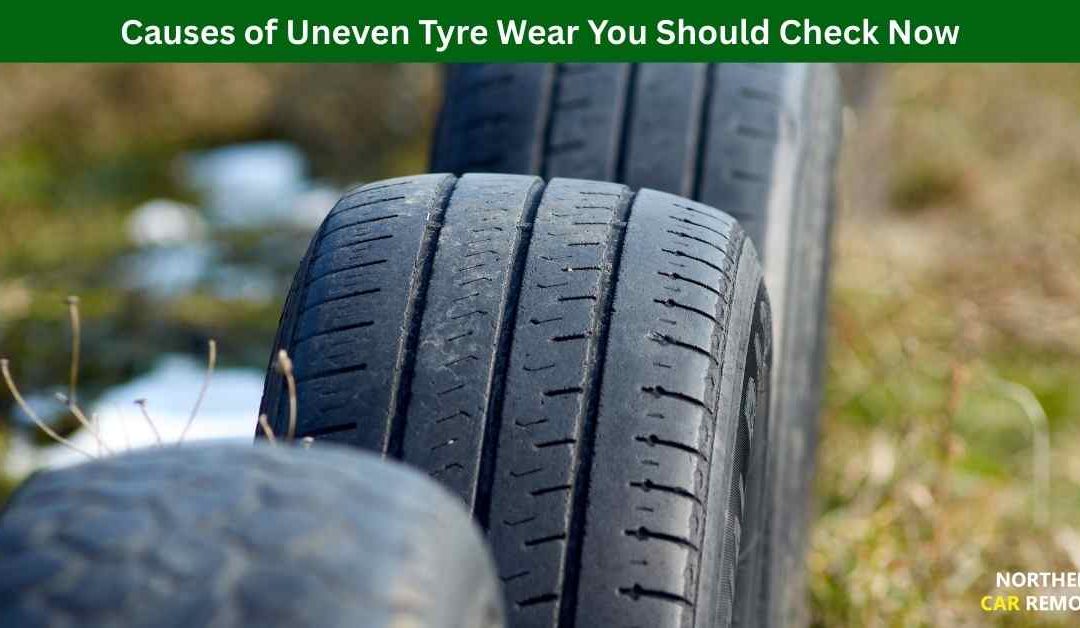
Your tyres are arguably the most important part of your car when it comes to safety and performance. They keep your vehicle connected to the road, absorb shocks, and help you brake and corner effectively. But if your tyres are wearing unevenly, it’s more than just an aesthetic problem—it can put you, your passengers, and other drivers at risk.
Uneven tyre wear reduces grip, increases stopping distances, affects handling, and can lead to expensive repairs. The good news is that most causes of uneven wear are preventable with regular inspections and maintenance. Here’s a detailed look at what might be causing uneven tyre wear and what you can do about it.
1. Incorrect Tyre Pressure
Tyre pressure is one of the simplest things to check, yet it’s a very common cause of uneven wear. Both overinflated and underinflated tyres can wear unevenly:
- Overinflated tyres: Cause the centre of the tread to wear faster than the edges. The tyre becomes more rigid, reducing the contact area with the road.
- Underinflated tyres: Wear more on the edges as the tyre sags and bends during driving. Underinflated tyres also create more rolling resistance, which can affect fuel efficiency.
Tip: Check your tyre pressure at least once a month and before long trips, and always follow the manufacturer’s recommended PSI (pounds per square inch).
2. Wheel Misalignment
Wheel alignment ensures that your tyres point in the correct direction relative to your car and each other. Misaligned wheels can cause tyres to scrub against the road at incorrect angles, leading to uneven wear.
Signs of alignment issues include:
- Tyres wearing faster on one side
- Steering wheel off-centre while driving straight
- Car pulling to one side
Misalignment often happens after hitting potholes, kerbs, or rough roads. A professional wheel alignment is usually required to fix the problem, and it’s generally recommended every 12 months or after major impacts.
3. Worn or Damaged Suspension Components
Your car’s suspension system — including shocks, struts, and bushings — helps maintain tyre contact with the road. Worn suspension parts can cause uneven pressure distribution, leading to irregular tyre wear.
Common signs of suspension issues:
- Cupping or scalloped tyre wear
- Vehicle bouncing excessively over bumps
- Steering feels loose or unstable
If you notice uneven wear patterns along with poor handling, it’s worth having a mechanic inspect the suspension system.
4. Tyre Imbalance
Tyre imbalance occurs when the weight of the tyre and wheel isn’t evenly distributed. An unbalanced tyre can create vibrations at certain speeds and cause irregular wear patterns, often leading to “cupping” or wavy tread.
Balancing is a simple process that most mechanics can perform using specialised equipment. It’s recommended every time you replace tyres, and also if you notice vibrations while driving.
5. Aggressive Driving Habits
How you drive has a direct impact on tyre wear. Frequent hard braking, rapid acceleration, and sharp cornering increase stress on tyres and can lead to uneven wear.
- Hard braking: Wears out tyre tread unevenly and increases the risk of flat spots.
- Fast cornering: Puts more pressure on the outer edges of tyres.
- Frequent overloading: Exceeding your vehicle’s load capacity can wear out tyres faster and unevenly.
Gentle, smooth driving extends tyre life and improves fuel efficiency while keeping your car safer on the road.
6. Poor Tyre Rotation Practices
Tyre rotation involves moving tyres from one position to another on the vehicle to ensure even wear. Cars with front-wheel drive, rear-wheel drive, or all-wheel drive all have different wear patterns, so rotating tyres every 8,000–12,000 km is recommended.
Neglecting rotation can cause:
- Front tyres wearing faster on the edges (front-wheel drive)
- Rear tyres wearing unevenly on corners
- Reduced overall tyre lifespan
Regular rotation is a low-cost way to maintain even wear across all tyres.
7. Driving on Rough or Uneven Roads
Australian roads vary widely. Driving regularly on rough, unsealed, or pothole-ridden roads can accelerate uneven tyre wear. Hitting bumps, kerbs, or potholes causes sudden impacts that may misalign your wheels or damage tyre structure, creating irregular wear patterns.
Try to:
- Avoid potholes when possible
- Reduce speed on uneven roads
- Inspect tyres regularly for early signs of damage
Even small impacts can compound over time if left unchecked.
8. Incorrect Tyre Type or Size
Using the wrong tyre type or size for your vehicle can also lead to uneven wear. Tyres are designed for specific vehicles and driving conditions. For example:
- Performance tyres on a standard commuter car may wear quickly on city streets.
- Tyres with incorrect load or speed ratings can wear faster and affect handling.
- Mixing old and new tyres on the same axle can create uneven pressure distribution.
Always follow the manufacturer’s recommendations when selecting replacement tyres.
How to Prevent Uneven Tyre Wear
The good news is that most causes of uneven tyre wear are preventable with regular checks and maintenance:
- Check tyre pressure monthly and adjust as needed.
- Rotate tyres regularly according to manufacturer guidelines.
- Inspect wheel alignment and suspension at least once a year or after impacts.
- Balance tyres whenever new tyres are fitted.
- Drive sensibly — avoid harsh braking, sharp cornering, and overloading.
- Use the correct tyres for your vehicle and conditions.
- Inspect tyres visually for signs of irregular wear, cupping, or flat spots.
Catching uneven tyre wear early can prevent more serious issues, save money on replacements, and keep your car safe on the road.
Uneven tyre wear might seem like a small problem, but it can lead to bigger issues like poor handling, reduced braking efficiency, and even accidents. Regular maintenance, careful driving, and paying attention to how your tyres look and feel will help you spot problems before they become dangerous. With a little care, your tyres can last longer, perform better, and keep you safe on every drive.
If you are in St Albans, and looking to sell your car, this is the best way to find us.
1/26 Acacia St, Glenroy VIC 3046
0437 773 905
Recent Comments