
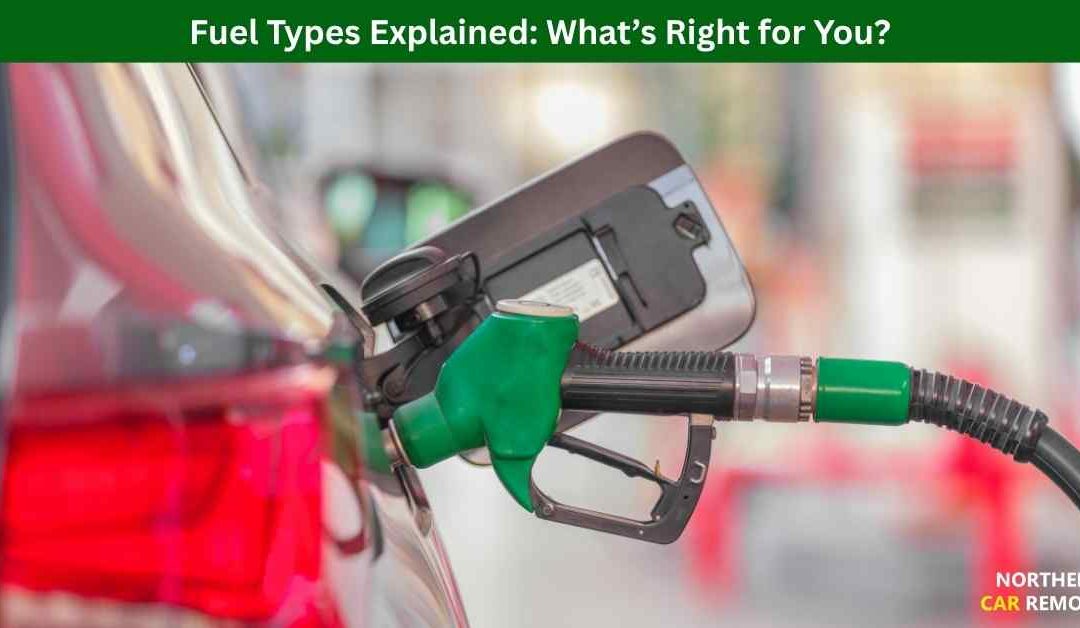
Filling up at the servo seems simple enough—pull in, swipe your card, and choose a bowser. But then you’re faced with all those numbers and labels: 91, 95, 98, E10, diesel. Suddenly, it’s not so straightforward. Using the wrong fuel can affect your car’s performance, and in some cases, cause serious damage. So how do you know which one is right for your vehicle? Let’s break it down.
Start With Your Car’s Recommendation
The easiest way to know what fuel to use is to check your car’s fuel cap or the owner’s manual. Manufacturers test engines with specific fuels in mind, and sticking to their advice is the best way to keep your car running smoothly.
Unleaded Petrol: 91, 95, and 98
These numbers refer to the Research Octane Number (RON), which measures how resistant the fuel is to knocking (that rattling sound when fuel ignites too early in the engine).
- Unleaded 91: The standard petrol in Australia. Cheap and widely available, it works for most everyday cars.
- Premium 95: A step up. Some cars require it, while others may run better on it. You’ll usually get slightly better performance and efficiency.
- Premium 98: The highest RON available. Ideal for high-performance engines. It’s more expensive, but for cars that need it, it’s worth every cent.
Quick tip: If your car is designed for 95 or 98, don’t skimp with 91. You might save a few dollars at the pump, but over time, it can lead to costly engine problems.
E10: The Ethanol Blend
E10 is regular unleaded fuel blended with 10% ethanol. It’s usually a bit cheaper and burns cleaner, which some drivers like. However, not all cars are built to handle ethanol. If your owner’s manual says E10 is fine, go for it. If not, stick with standard unleaded.
Diesel
Diesel is a different beast altogether. It’s designed for engines that rely on compression rather than spark ignition. Diesel vehicles are common in larger cars, utes, 4WDs, and trucks because diesel engines produce more torque and are often more fuel-efficient over long distances.
Put diesel in a petrol car—or vice versa—and you’re in for a very expensive mistake.
So, What’s Right for You?
It really comes down to what your car was built for. A small city hatchback might only need 91. A luxury European sedan could demand 95 or 98. A tradie’s ute might run on diesel. Choosing the right fuel means better performance, improved efficiency, and fewer trips to the mechanic.
A Real-World Example
Take James from Melbourne—he bought a second-hand Volkswagen that required Premium 95. For months he filled it with 91 to save money. Soon, the car started losing power and the check engine light appeared. A mechanic confirmed that the lower octane fuel was causing issues. Once James switched back to 95, the problems disappeared.
Moral of the story? Trust your manufacturer’s advice—it’ll save you in the long run.
Before You Next Fill Up
Next time you’re at the bowser, take a second glance at the label on your fuel cap. Whether it’s 91, 95, 98, E10, or diesel, choosing the right type keeps your car happy and your wallet safe from future repair bills.
If you are in Gowanbrae, and looking for a cash for cars service, this is the best way to find us.
1/26 Acacia St, Glenroy VIC 3046
0437 773 905
Recent Comments