
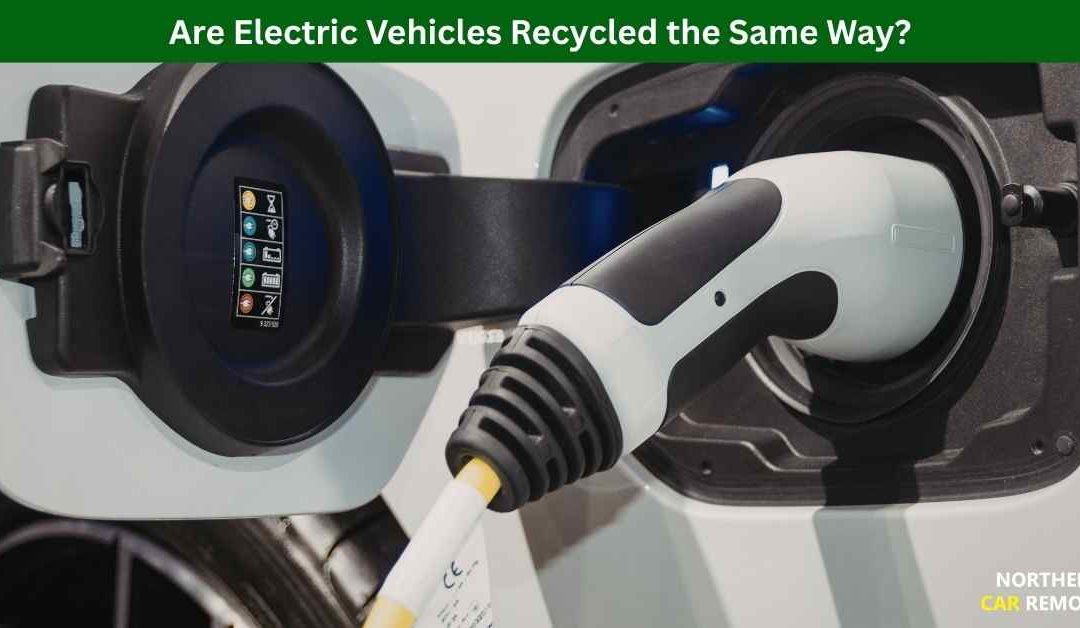
As electric vehicles (EVs) become more common on Australian roads, many people are starting to ask what happens when they reach the end of their life. Are they recycled the same way as traditional petrol or diesel cars? The short answer is no, not exactly. While there are similarities, EVs require additional steps, specialised handling, and new recycling processes due to their unique components.
Understanding these differences helps highlight how the automotive recycling industry is evolving to keep up with new technology.
How are traditional cars recycled?
To understand how EV recycling differs, it helps to look at how conventional vehicles are processed. Standard petrol or diesel cars go through a structured recycling process:
- Removal of fluids such as oil, coolant, and fuel
- Dismantling usable parts like engines, transmissions, and panels
- Crushing and shredding the remaining metal
- Recycling materials like steel, aluminium, and plastics
This process is well-established and highly efficient, with a large percentage of the vehicle being reused or recycled.
What makes electric vehicles different?
Electric vehicles have a completely different power system. Instead of an internal combustion engine, they rely on:
- High-voltage lithium-ion batteries
- Electric motors
- Advanced electronics and wiring systems
These components require specialised handling, particularly the battery, which is the most significant difference in the recycling process.
Are EVs recycled the same way overall?
Partially. Many parts of an EV are recycled in a similar way to traditional cars, including:
- Body panels and metal frames
- Glass and plastics
- Tyres and interior components
However, the key difference lies in how EV batteries and electrical systems are handled.
Why EV batteries require special treatment
EV batteries are large, complex, and potentially hazardous if not handled correctly. Before recycling:
- Batteries must be carefully removed from the vehicle
- High-voltage systems must be safely disconnected
- Special equipment is used to prevent electrical risks
Unlike standard car parts, EV batteries cannot simply be dismantled using traditional methods.
What happens to EV batteries after removal?
Once removed, EV batteries go through one of two main paths:
- Second-life use:
- Batteries that still hold charge may be reused
- Common uses include energy storage systems for homes or businesses
- Recycling:
- Valuable materials like lithium, cobalt, and nickel are extracted
- These materials are reused in manufacturing new batteries
This process is more complex than recycling traditional car components but is improving rapidly.
Are EVs more difficult to recycle?
In some ways, yes. EV recycling presents unique challenges:
- High-voltage systems require trained professionals
- Battery handling involves safety risks
- Recycling processes for batteries are still developing
However, the industry is adapting quickly, with new technologies making EV recycling more efficient and cost-effective.
Environmental impact of EV recycling
While EVs are designed to reduce emissions during use, their end-of-life impact also matters. Proper recycling ensures:
- Hazardous materials are safely managed
- Valuable resources are recovered and reused
- Environmental damage is minimised
As recycling technology improves, EVs are becoming more sustainable throughout their entire lifecycle.
How the industry is evolving
The rise of electric vehicles is pushing the automotive recycling industry to innovate. This includes:
- Developing advanced battery recycling technologies
- Creating safer handling and transport systems
- Improving recovery rates for valuable materials
Governments and companies are also investing heavily in EV recycling infrastructure to support the growing number of electric vehicles.
What this means for car owners
If you own an EV, the recycling process will likely be handled by specialised facilities. This means:
- You don’t need to worry about complex battery handling
- The vehicle will be processed safely and responsibly
- Valuable components will be reused wherever possible
As EV adoption grows, recycling systems will become even more accessible and efficient.
Electric vehicles are not recycled exactly the same way as traditional cars, but they share many similarities. The biggest difference lies in the handling and recycling of high-voltage batteries, which require specialised processes and equipment. As technology advances, EV recycling is becoming more efficient, making electric vehicles an increasingly sustainable choice from start to finish. Understanding this process shows how the industry is adapting to support a cleaner automotive future.
If you are in Braybrook, and looking to sell your car, this is the best way to find us.
1/26 Acacia St, Glenroy VIC 3046
0437 773 905
Recent Comments