
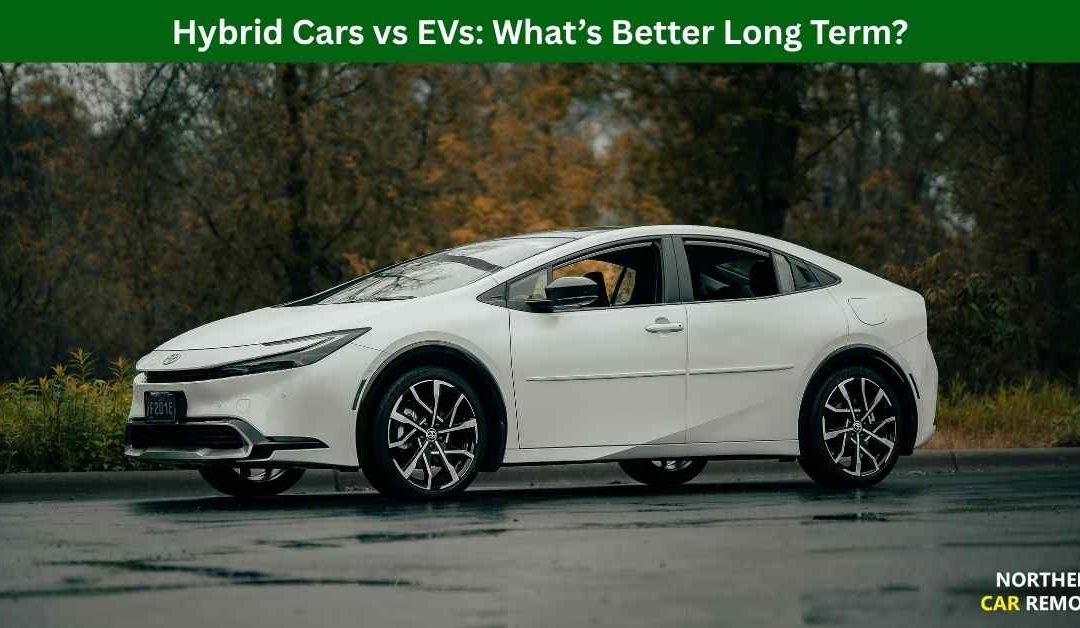
As more Australians look for fuel-efficient and environmentally friendly vehicles, the choice often comes down to hybrid cars or fully electric vehicles (EVs). Both options offer clear advantages over traditional petrol cars, but when you think long term, cost, maintenance, reliability, and environmental impact, the decision isn’t always straightforward.
So, which one is better in the long run? The answer depends on how you drive, where you live, and what you value most in a vehicle.
What’s the difference between hybrids and EVs?
Before comparing long-term benefits, it’s important to understand how they work.
Hybrid cars:
- Use both a petrol engine and an electric motor
- Automatically switch between power sources or combine them
- Do not require external charging (in most cases)
Electric vehicles (EVs):
- Run entirely on electricity
- Require charging via home or public charging stations
- Have no petrol engine at all
This fundamental difference plays a big role in long-term ownership.
Which is cheaper to run over time?
In terms of daily running costs, EVs generally come out ahead.
EVs:
- Lower energy costs compared to petrol
- Fewer moving parts, meaning less maintenance
- No need for oil changes
Hybrids:
- Still require petrol, though less than traditional cars
- Maintenance costs are lower than petrol cars but higher than EVs
Over several years, EVs typically offer better savings, especially if you have access to affordable electricity.
What about upfront costs?
One area where hybrids often have an advantage is the purchase price.
- Hybrids are usually more affordable upfront
- EVs can have a higher initial cost, though prices are gradually decreasing
However, government incentives and lower running costs can help offset the higher price of EVs over time.
Which is better for long-term maintenance?
Maintenance is a key factor when thinking long term.
EVs:
- Fewer mechanical components
- No exhaust system, fuel pump, or engine oil
- Lower risk of mechanical failure
Hybrids:
- More complex systems (both engine and electric components)
- May require maintenance for both systems
While both are generally reliable, EVs tend to have fewer maintenance requirements overall.
How do batteries compare over time?
Battery performance is a common concern for both vehicle types.
EV batteries:
- Designed to last many years, often 8–15 years or more
- Gradual reduction in capacity over time
Hybrid batteries:
- Typically smaller and less expensive to replace
- Also designed for long-term use
Battery technology is improving rapidly, making both options more reliable than ever.
Which is better for the environment long term?
Both hybrids and EVs are more environmentally friendly than petrol cars, but EVs usually have the edge.
- EVs produce zero tailpipe emissions
- Hybrids still rely on petrol and produce some emissions
- EVs become greener as renewable energy use increases
Over the long term, EVs generally have a lower overall environmental impact.
What about convenience and practicality?
Convenience can vary depending on your lifestyle.
Hybrids:
- No need to worry about charging
- Ideal for long-distance driving
- Easier transition from petrol vehicles
EVs:
- Require access to charging infrastructure
- Charging times can vary
- Ideal for city driving and shorter commutes
If you don’t have easy access to charging, a hybrid may be more practical.
Which holds value better over time?
Resale value depends on market trends, but:
- EV demand is growing rapidly, which may improve long-term value
- Hybrids are well-established and still widely accepted
- Battery condition plays a role in resale for both
As EV technology becomes more mainstream, their long-term value is expected to improve.
So, which is better long term?
There’s no one-size-fits-all answer, but here’s a simple breakdown:
- Choose an EV if: You want lower running costs, minimal maintenance, and a more environmentally friendly option
- Choose a hybrid if: You prefer flexibility, lower upfront cost, and no reliance on charging infrastructure
Your driving habits, budget, and access to charging will ultimately determine the best choice.
Hybrid cars and electric vehicles both offer strong long-term benefits compared to traditional petrol cars. EVs tend to lead in efficiency, maintenance, and environmental impact, while hybrids provide convenience and flexibility. By understanding how each option fits your lifestyle, you can make a smarter decision that works for you now and into the future.
If you are in Docklands, and looking to sell your car, this is the best way to find us.
1/26 Acacia St, Glenroy VIC 3046
0437 773 905
Recent Comments