
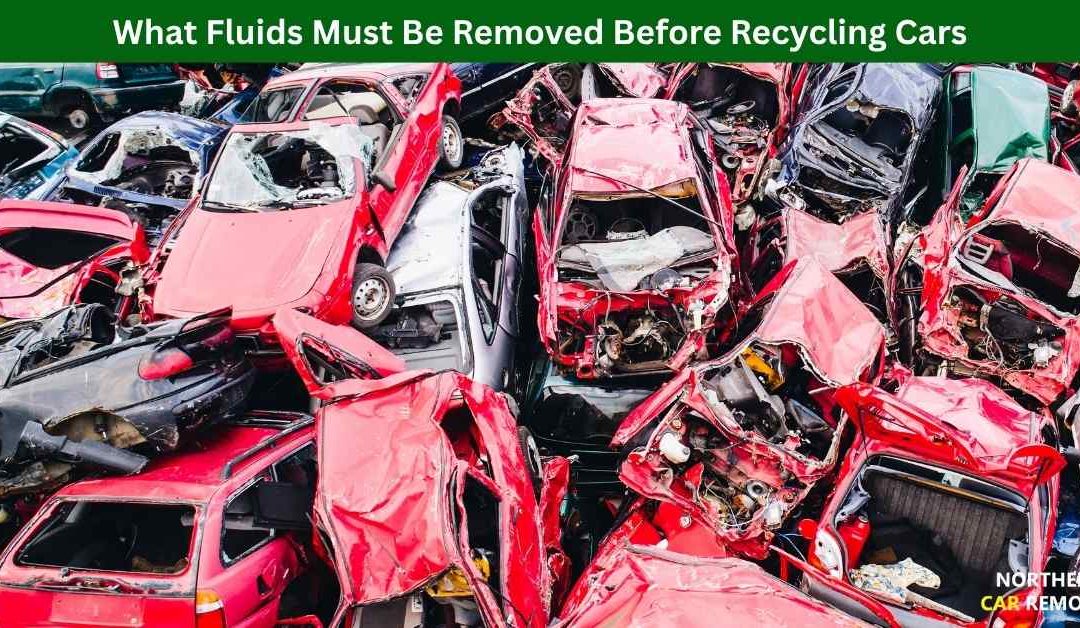
When a car reaches the end of its life, recycling becomes the most practical and environmentally responsible option. But before a vehicle can be dismantled and processed, one critical step must happen first, removing all fluids. This process, often called “depollution,” ensures that harmful substances don’t leak into the environment and that valuable materials can be safely recovered.
Many people don’t realise just how many different fluids are inside a vehicle. Each one serves an important purpose during the car’s life, but must be carefully handled during recycling.
Why is fluid removal important before recycling?
Removing fluids is essential for both environmental and safety reasons. If left inside the vehicle:
- Fluids can leak into soil and waterways
- Hazardous chemicals can cause contamination
- Recycling processes can become unsafe or inefficient
Proper fluid removal ensures that recycling facilities can safely dismantle vehicles and recover materials without causing harm.
What fluids are found in a car?
A typical vehicle contains several types of fluids, each with its own role. These include:
- Engine oil
- Coolant (antifreeze)
- Transmission fluid
- Brake fluid
- Power steering fluid
- Fuel (petrol or diesel)
- Air conditioning refrigerant
- Windshield washer fluid
All of these must be drained and handled correctly before recycling begins.
Engine oil
Engine oil is one of the most important, and potentially harmful, fluids in a car. It lubricates engine components but becomes contaminated over time. Before recycling:
- Oil is drained from the engine
- It is either recycled or disposed of safely
- Proper handling prevents soil and water pollution
Used engine oil can often be refined and reused, making it a valuable resource when managed correctly.
Coolant (antifreeze)
Coolant regulates engine temperature, but it contains chemicals that can be toxic to humans and animals. During recycling:
- Coolant is drained from the radiator and engine
- It is stored and treated safely
- Some facilities recycle and reuse it after purification
Proper removal prevents environmental contamination and health risks.
Transmission fluid
Transmission fluid helps lubricate and cool the transmission system. Like engine oil, it can degrade over time. Before recycling:
- It is drained from the transmission system
- Collected fluid is either recycled or disposed of properly
This step is essential to prevent leaks during dismantling.
Brake fluid
Brake fluid is critical for safe braking performance, but it is highly corrosive and can absorb moisture. When recycling a car:
- Brake fluid is removed from the braking system
- It is handled as a hazardous substance
Safe disposal prevents damage to recycling equipment and the environment.
Power steering fluid
This fluid allows for smooth steering operation. Although not present in all modern vehicles, it still needs to be removed where applicable:
- Drained from the steering system
- Collected and disposed of according to safety regulations
Even small amounts can cause environmental harm if not handled properly.
Fuel (petrol or diesel)
Fuel is one of the most obvious and dangerous substances in a vehicle. Before recycling:
- Remaining petrol or diesel is drained from the tank
- It is either reused or safely disposed of
- Removing fuel reduces fire and explosion risks
This is a critical safety step in the recycling process.
Air conditioning refrigerant
Refrigerants used in car air conditioning systems can be harmful to the environment, particularly if released into the atmosphere. During recycling:
- Special equipment is used to extract the refrigerant
- It is stored and recycled or disposed of safely
This helps prevent damage to the ozone layer and reduces greenhouse gas emissions.
Windshield washer fluid
While less hazardous than other fluids, washer fluid still needs to be removed:
- Drained from the reservoir
- Disposed of or recycled where possible
Even small amounts contribute to a cleaner and safer recycling process.
How professionals handle fluid removal
Fluid removal isn’t something that should be done casually. Professional recycling facilities:
- Use specialised equipment to safely drain fluids
- Store and label fluids correctly
- Follow strict environmental and safety regulations
This ensures that every part of the vehicle is processed responsibly.
The role of proper recycling
Once fluids are removed, the car can be safely dismantled. Parts are salvaged, metals are recycled, and waste is minimised. This process:
- Reduces landfill waste
- Conserves natural resources
- Supports a sustainable automotive industry
Fluid removal is the first and most important step in making this process possible.
Recycling a car is about more than just scrapping metal, it’s a carefully managed process that starts with removing harmful fluids. By ensuring these substances are handled properly, recycling becomes safer, cleaner, and more efficient. It’s a crucial step that protects the environment while allowing valuable materials to be reused, making vehicle recycling a smart and responsible choice.
If you are in Ascot Vale, and looking to sell your car, this is the best way to find us.
1/26 Acacia St, Glenroy VIC 3046
0437 773 905
Recent Comments